Loading...
Serving Los Angeles, CA and surrounding areas. (213) 338-1277
A cracked, faded lot costs you customers and creates liability. Regular crack filling, sealcoating, and restriping keep your property safe, sharp, and protected from the Los Angeles sun.
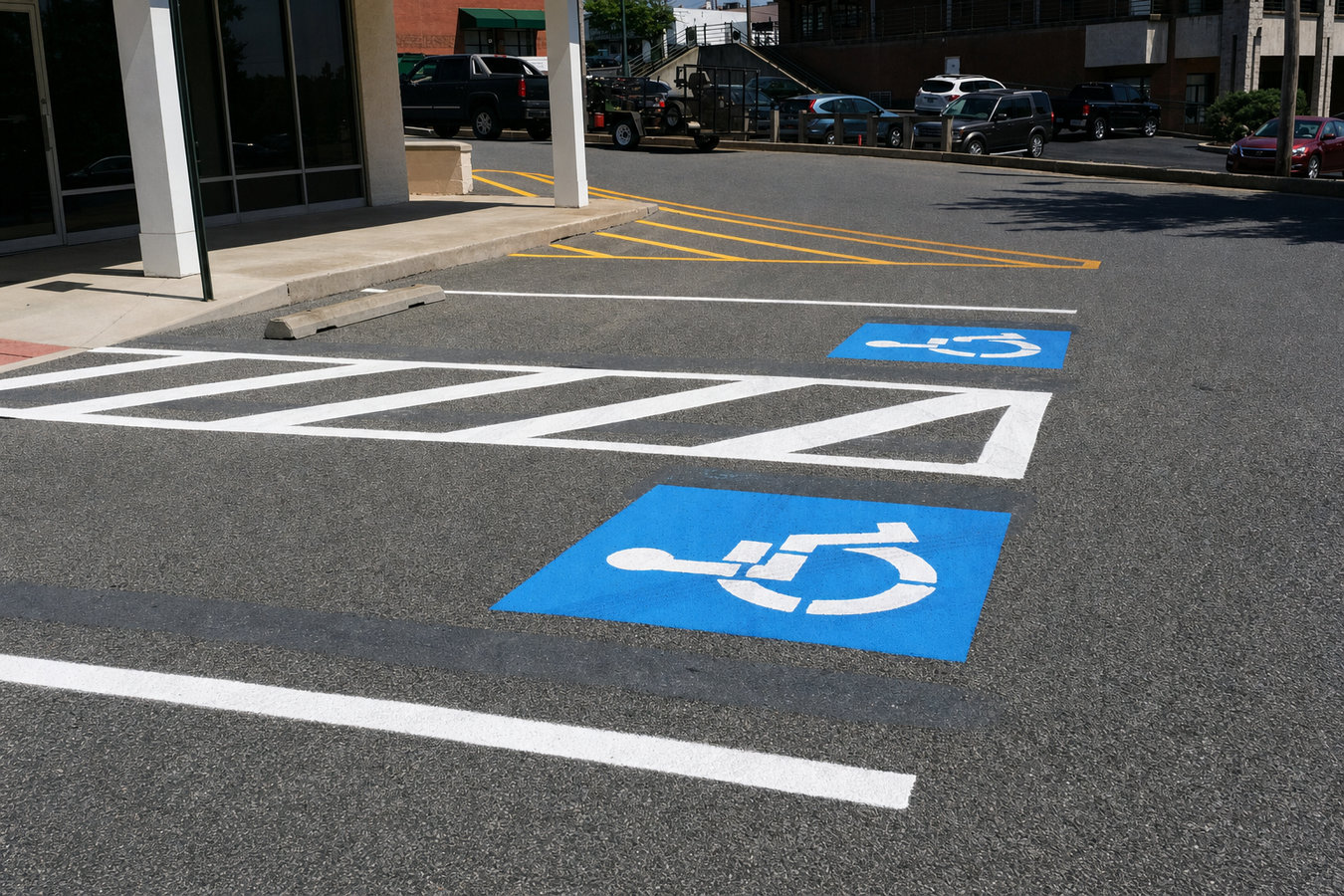
Parking lot maintenance in Los Angeles is a set of recurring tasks - crack filling, sealcoating, pothole repair, and line restriping - done on a schedule to keep an asphalt surface safe and functional. It is not a single job. Most maintenance visits for a mid-sized lot take one to two days, plus curing time before vehicles return.
In Los Angeles, the sun is the dominant threat. UV radiation oxidizes the asphalt binder here faster than in almost any other major city, turning surfaces gray and brittle before owners realize the damage is building. Staying on a routine schedule is almost always less expensive than waiting until cracks multiply and base repairs become unavoidable. If your lot needs a full surface refresh rather than routine upkeep, see our asphalt resurfacing service.
The difference between maintenance that lasts and work that fails by next spring comes down to prep. A crew that skips cleaning, crack preparation, and oil removal before sealing is setting you up for a coat that peels within a season. Proper surface preparation is the foundation of every job we do.
Fresh asphalt is deep black. When it fades to light gray and starts feeling rough underfoot, the binder has oxidized from LA's relentless sun. This is the clearest sign that sealcoating is overdue and cracking will follow soon if nothing is done.
Interconnected cracks spreading across the lot - sometimes called alligator cracking - mean the surface is breaking down. In Los Angeles, UV damage and ground movement from expansive soils can make this develop faster than property owners expect. Addressing it early costs far less than waiting.
Potholes appear when the base beneath the asphalt fails, often because water entered through cracks that went unfilled. Even one or two potholes are worth fixing promptly - they grow quickly under vehicle traffic and create a real trip-and-fall hazard for customers and tenants.
If drivers are struggling to find the lines, or if accessible parking markings are unclear, it is time to restripe. Faded markings reduce usable spaces and can create liability concerns, particularly around accessible parking areas that are subject to specific California requirements.
We handle the full cycle of commercial lot care. Crack filling stops water from working its way into the base before damage compounds. Sealcoating follows, protecting the surface from the UV exposure that degrades Los Angeles asphalt faster than rain or cold ever would. For lots where lines have faded to the point where drivers struggle to park, parking lot striping is done after the fresh seal cures so paint bonds cleanly to the new surface.
When damage has moved beyond what routine maintenance can address, we assess whether the lot is a candidate for asphalt resurfacing - a fresh layer over the existing base - rather than a full replacement. We give you an honest answer after walking the property, not a default recommendation for the most expensive option.
For lots with surface cracks that have not yet reached the base - fills gaps before water gets in.
For commercial properties that need UV protection and a clean, dark surface that reflects well on the business.
For lots where base failure has created depressions or holes - repairs the damaged area and compacts fresh asphalt.
For any lot where faded lines are reducing usable spaces or creating confusion around accessible parking markings.
Los Angeles sits in a sun-drenched, semi-arid climate where UV radiation breaks down the asphalt binder nearly year-round. Most of the country has a freeze-thaw season that forces visible damage in winter - here, deterioration is slower and quieter, which is why property owners often discover their lot is in worse shape than expected. The commercial corridors along Ventura Boulevard, Pico Boulevard, and Vermont Avenue are lined with parking lots that handle heavy daily vehicle counts, and turning lanes and dumpster pads take especially hard wear. The National Asphalt Pavement Association recommends a proactive maintenance schedule as the most reliable way to extend pavement life.
Ground movement from the region's expansive soils can also open cracks that have nothing to do with traffic load - a contractor familiar with local conditions will look at whether cracking is surface-level or tied to soil movement, because the repair approach differs. We serve commercial properties across the city, including Gardena and Inglewood, where we know the traffic patterns and soil conditions that affect how quickly a lot deteriorates between maintenance visits.
We walk the lot with you, note crack patterns, surface oxidation, drainage, and any base failure. You receive a written estimate that breaks out each task and explains the order of operations - no guesswork, no surprise line items.
Because the lot needs to be closed or sectioned during work, we find a schedule that minimizes disruption to your tenants or customers. We confirm a dry-weather window before booking - sealcoat and crack filler need dry conditions to cure correctly.
The crew cleans the entire surface, blows out debris, scrubs oil spots, and fills cracks before any sealer goes down. Pothole repairs and base corrections happen at this stage. Skipping prep is the most common reason maintenance work fails early.
We apply sealcoat in passes, let it cure - at least 24 hours before traffic returns - then come back to repaint all lines, arrows, fire lane markings, and accessible spaces. We do a final walkthrough with you before calling the job complete.
We respond within 1 business day, walk the lot with you at no charge, and give you an itemized written quote before any work begins.
(213) 338-1277Our license is verifiable through the California Contractors State License Board at cslb.ca.gov. You should verify any paving contractor before signing a contract - it takes about 30 seconds and tells you whether they are current and in good standing.
We work in Los Angeles every day and understand how the city's intense sun and expansive clay soils affect asphalt differently than other markets. We set realistic maintenance intervals and schedule work around conditions that ensure proper curing.
California and Los Angeles have specific requirements for accessible parking spaces on commercial lots. We flag layout issues during restriping and help property owners avoid compliance gaps that can attract complaints or enforcement actions.
Every estimate spells out crack filling, pothole repair, sealer application, and restriping as separate line items so you understand exactly what you are paying for and why. We back every job with a workmanship commitment.
A lot that is maintained on schedule protects your tenants, reduces liability exposure, and avoids the much larger cost of a full repave. We have been doing this work in Los Angeles long enough to know that property owners who stay ahead of maintenance never face the same emergency repair bills as those who wait.
When surface damage goes deeper than routine maintenance can address, resurfacing lays a fresh asphalt layer over the existing base.
Learn MoreCrisp, compliant line markings keep traffic organized and accessible spaces clearly identified - typically done right after sealcoating.
Learn MoreSummer UV damage adds up fast - call now to lock in your maintenance visit before the dry season drives up the schedule.